

How Tamarisk works
Tamarisk isn't a program — no curriculum, no intake, no graduation. It's a community, built around shared meals, steady friendships, and people who keep showing up. Here's what that actually looks like.
Who this is for
Every year in North Carolina, young adults age out of foster care. Some land on stable footing. Many don't — and beyond the practical challenges of housing, work, and school, there's something quieter underneath: a lifetime of relationships that came and went too fast to count on.
One young woman in our community put it this way: "Everyone came and went, but it was so fast, it was a blur."
Tamarisk is for people who've lived that — who've been known mostly through case files, and deserve to be known for who they actually are. Not their record. Who they are now.
It sounds simple. It isn't.
What it looks like
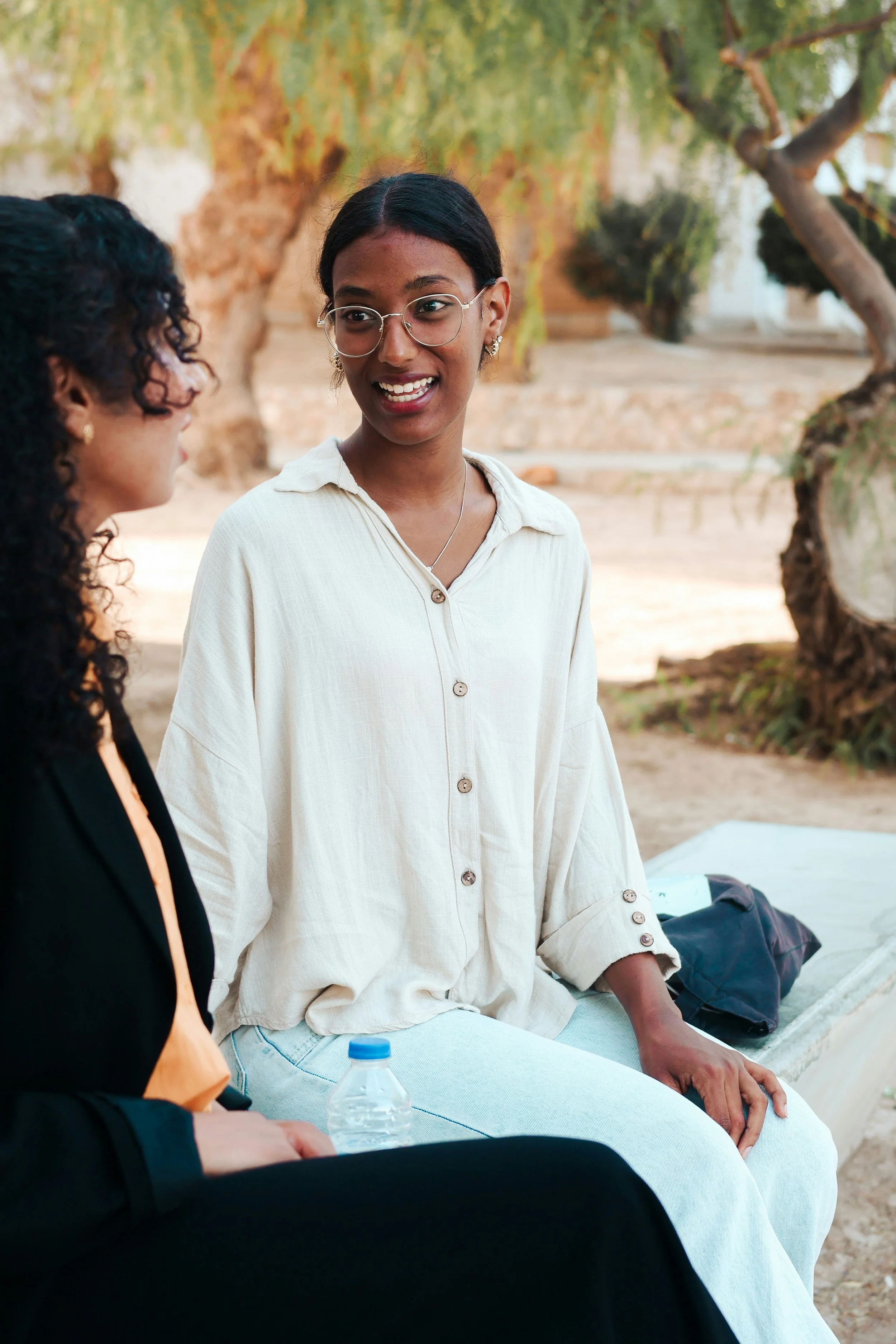
We have volunteers called connection partners — people who show up consistently for someone in the community and stick around. Not a case worker, not a mentor with a checklist, not someone there to fix your life. A friend who's in it with you.
In practice that's shared meals. Birthdays that get celebrated. A hard day where someone notices and checks in. A move where people show up with trucks. A graduation with a crowd in the audience. A loss where someone sits with you and doesn't try to fix it.
It's the kind of presence a lot of people take for granted — and that many of the young adults we know have rarely had.
What connection partners do
Less about big gestures than steady ones
-
A text on a Tuesday, a coffee that becomes a standing thing, knowing someone's life well enough to ask the right follow-up question.
-
No agenda required.
-
Catching when something's off, and helping navigate it.
-
For the moments that matter.
A wider community
Not everyone can be a connection partner — and not everyone needs to. Tamarisk works because lots of people pitch in lots of ways:
Cook and drop off meals
Give rides to work, school, or appointments
Help with moves, repairs, or one-off needs
Host birthdays, dinners, and gatherings
Put a specific skill or trade to use
Pray, give, or just keep showing up
Most of what makes a community feel like one is invisible from the outside — a hundred small acts of showing up. We're always looking for more people for that.
What we don't try to do
We're honest about our lane: Tamarisk isn't a housing organization, a workforce program, or a mental health provider. Other groups do that work, and do it well. When someone needs help beyond what we offer, we connect them to people who can — like the Hope Center at Pullen for housing-first support, and a wider network of partners across Raleigh.
We're not trying to be everything. We're trying to be the place where young adults are deeply known — and to bridge them to the support they deserve from there.

Looking for community?
If you've aged out of foster care — or you're getting close — and this sounds like something you want in on, reach out. No application, no paperwork. Just a conversation to start.
Want to serve?
Whether that's becoming a connection partner or pitching in another way — meals, rides, hosting, a skill — there's a place for you. Reach out and we'll find what fits.